
Peripheral neuropathy can make walking feel like a minefield of discomfort. Numbness, tingling, and pain can turn a simple stroll into a challenge. Finding the right walking shoes for peripheral neuropathy is super important. You need shoes that offer good cushioning, support, and protection, especially if you have sensitive feet. This guide breaks down five top picks for 2026 that aim to make your steps feel better.
Key Takeaways
- Brooks Ghost Max 3: Offers plush cushioning and a rocker sole to reduce foot stress and fatigue, making it a top choice for comfort and stability.
- Hoka Clifton 10: Features ample cushioning, a breathable mesh upper, and a supportive rocker sole, ideal for cradling sensitive feet and promoting secure steps.
- New Balance Fresh Foam 1080v15: Provides a lightweight, responsive feel with plenty of cushioning and available in wide widths to accommodate swelling and reduce pressure points.
- Orthofeet Avery Island: Designed with therapeutic features like a seamless interior, stretchable upper, and multi-layer cushioning to protect sensitive feet and relieve pain.
- Vionic Walker Classic: Boasts podiatrist-designed support with Orthaheel Technology for arch alignment and a deep heel cup, offering stability and comfort for daily wear.
1. Brooks Ghost Max 3
When you’re dealing with peripheral neuropathy, finding a shoe that feels good from the moment you put it on is a big deal. The Brooks Ghost Max 3 really steps up here. It’s designed with a serious amount of soft cushioning that feels like walking on clouds, which is exactly what you need when your feet might be feeling sensitive or a bit numb.
This shoe uses Brooks’ DNA Loft v3 foam, which is infused with nitrogen. What that basically means is it’s really good at soaking up impact. So, when you’re walking, it helps reduce the pressure on your feet, making those tingling or numb sensations less noticeable. Plus, the inside of the shoe is super soft, which helps avoid any rubbing or uncomfortable pressure points that can lead to blisters.
Here’s a quick look at what makes it stand out:
- Plush Cushioning: The extra soft foam really cradles your foot.
- Rocker-Shaped Sole: This design helps your foot roll forward smoothly with each step, taking some of the strain off.
- Wide Toe Box: Gives your toes plenty of room to spread out, preventing squishing.
- Stable Ride: Despite all the softness, it offers a good sense of balance.
It’s a bit heavier than some other shoes, and maybe not the most stylish option out there, but when comfort is the top priority for neuropathy, these drawbacks fade away. It’s a solid choice for just about anyone looking for relief during daily activities. You can find these in a variety of widths, which is great for getting that perfect fit. If you’re looking for a shoe that prioritizes comfort and support for sensitive feet, the Brooks Ghost Max 3 is definitely worth checking out. Many people find that shoes like these offer significant relief for their condition, making everyday movement much more pleasant. all-day comfort is a major plus.
The focus here is on absorbing shock and reducing pressure points. It’s about making each step feel as gentle as possible, which is key when you have neuropathy.
2. Hoka Clifton 10
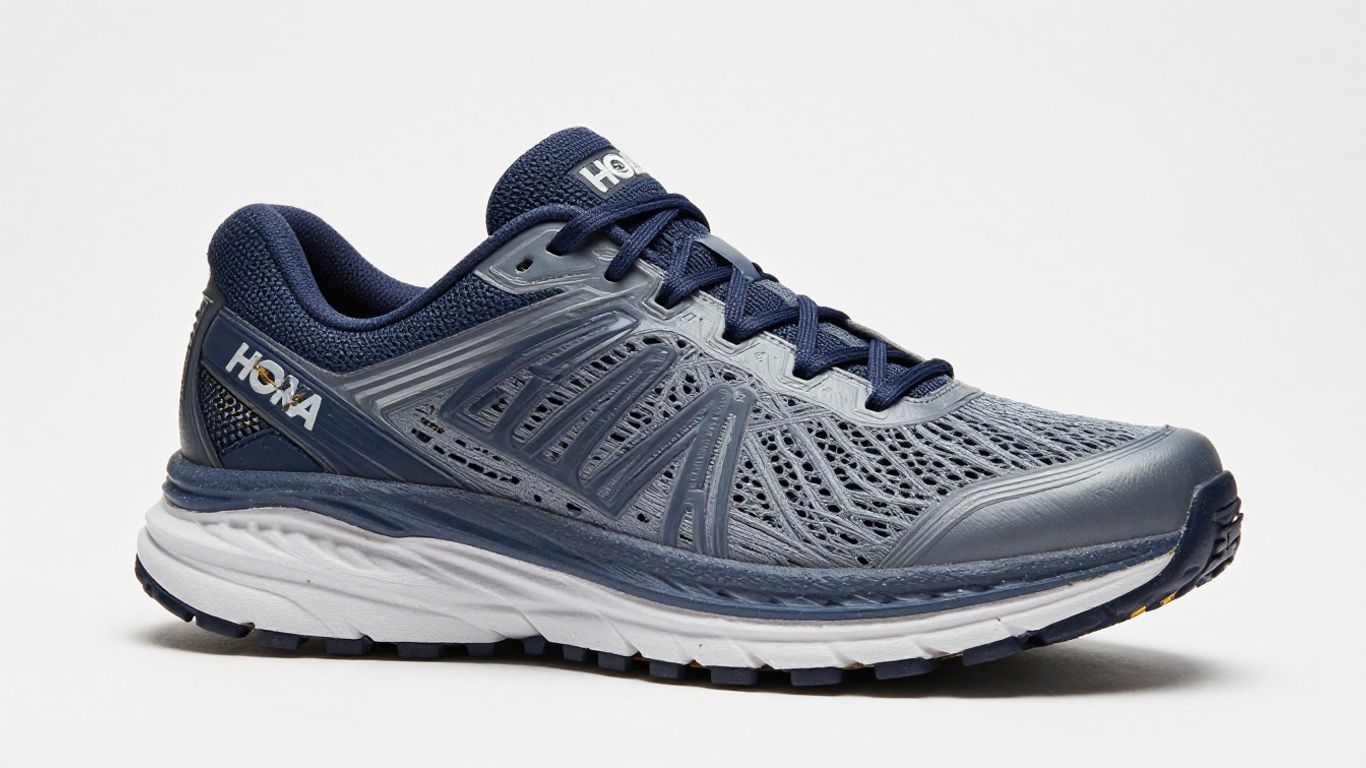
The Hoka Clifton 10 is a shoe that many people find really comfortable, and it’s a solid choice if you’re dealing with peripheral neuropathy. It’s known for having a good amount of cushioning, which is super important for absorbing shock and making your feet feel better when you walk. This shoe is pretty lightweight too, which is a nice bonus when you don’t want anything heavy dragging you down.
One of the standout features is its rocker sole, Hoka’s Meta-Rocker technology. Basically, it helps your foot roll forward smoothly from heel to toe. This can make walking feel less like a chore and more natural, especially if you’re on your feet for a while. It’s designed to give you a bit of a spring in your step, which is great for keeping things comfortable.
Here’s a quick look at some specs:
- Weight: Around 8.7 oz for men’s size 9, 7.8 oz for women’s size 8.
- Drop: 8 mm (this is the difference in height between the heel and the forefoot).
- Cushioning: Features a compression-molded EVA midsole that’s tuned for both comfort and a responsive feel.
The Clifton 10 adds a bit more cushioning in the heel compared to previous models. This means even more impact absorption and a softer feel underfoot, which can be a real game-changer for sensitive feet. It’s a shoe that aims to make every step feel more secure and supported.
It’s also worth noting that Hoka makes it pretty easy to swap out the insoles if you need to use custom orthotics. This flexibility is a big plus for people who need specific support. If you’re looking for a shoe that offers a good balance of softness, support, and a smooth ride, the Hoka Clifton 10 is definitely worth checking out. It’s a popular pick for a reason, and many find it helps with the discomfort associated with neuropathy.
3. New Balance Fresh Foam 1080v15
The New Balance Fresh Foam 1080v15 is a solid choice if you’re looking for a shoe that offers a lot of cushioning without feeling overly bulky. This model is particularly great for people who need extra room in their shoes, as it comes in a wide range of widths, from narrow to extra-wide. That means you’re less likely to experience pinching or uncomfortable pressure points, which is a big deal when you’re dealing with sensitive feet.
New Balance has a reputation for making comfortable shoes, and the 1080v15 continues that tradition. It features a sole that’s a bit like a rocker, which can help make your stride feel smoother and reduce some of that jarring impact when you walk. It’s also got plenty of padding all around, giving your feet a nice, soft landing with every step. This can be a real game-changer for stabbing pains or general foot soreness.
Here’s a quick look at what makes it stand out:
- Generous Cushioning: The Fresh Foam X midsole is designed to absorb shock effectively, making long walks or standing for extended periods much more bearable.
- Width Options: Available in multiple widths, it accommodates wider feet and helps prevent pressure on sensitive areas like bunions.
- Rocker-like Sole: This design feature promotes a more natural and fluid walking motion, reducing strain.
- Breathable Upper: Keeps your feet cool and comfortable, even on warmer days or during longer wear.
When you’re trying these on, remember to test them out later in the day when your feet are a bit more swollen. Make sure there’s about a thumb’s width of space between your longest toe and the end of the shoe. A good fit means your heel feels secure and your midfoot is snug but not tight. If you use custom orthotics, bring them along to make sure they fit well inside the shoe without making it too crowded.
While the cushioning is plush, some might find the maximalist feel a little less stable than a firmer shoe. However, for many dealing with peripheral neuropathy, that extra softness is exactly what they need to keep walking comfortably. It’s a good option if you’re looking for that plush cushioning without a bulky feel and need a shoe that can handle a lot of miles.
4. Orthofeet Avery Island
When you’re dealing with the discomfort of peripheral neuropathy, finding a shoe that actually helps instead of making things worse is a big deal. The Orthofeet Avery Island is designed with this in mind, aiming to give your feet a break.
This shoe really focuses on protecting sensitive feet and making walking more comfortable. It’s built with features that podiatrists often look for when recommending shoes for nerve pain.
Here’s what makes the Avery Island stand out:
- Seam-Free Interior: No annoying stitches inside to rub against your skin. This is a huge plus if you’re prone to irritation or have sensitive spots.
- Cushioned, Ergonomic Insole: It has multiple layers of cushioning and built-in arch support. This helps spread out pressure points, especially on the ball of your foot and your heel.
- Stretchable Upper: The material can mold around common foot issues like bunions or hammertoes, and it’s also good if your feet tend to swell during the day.
- Wide Toe Box: Plenty of room for your toes to spread out naturally, which is important for preventing pressure and discomfort.
- Rocker Sole: A mild rocker design helps your foot roll forward more smoothly as you walk, taking some of the strain off your stride.
While these shoes are built for comfort and protection, they do have a slightly bulkier look compared to some sleeker athletic shoes. The price point is also a bit higher, but for the specialized features, many find it’s worth the investment for daily relief.
If you’re looking for a shoe that feels therapeutic right out of the box and offers a lot of protection for nerve-related foot pain, the Orthofeet Avery Island is definitely worth checking out.
5. Vionic Walker Classic
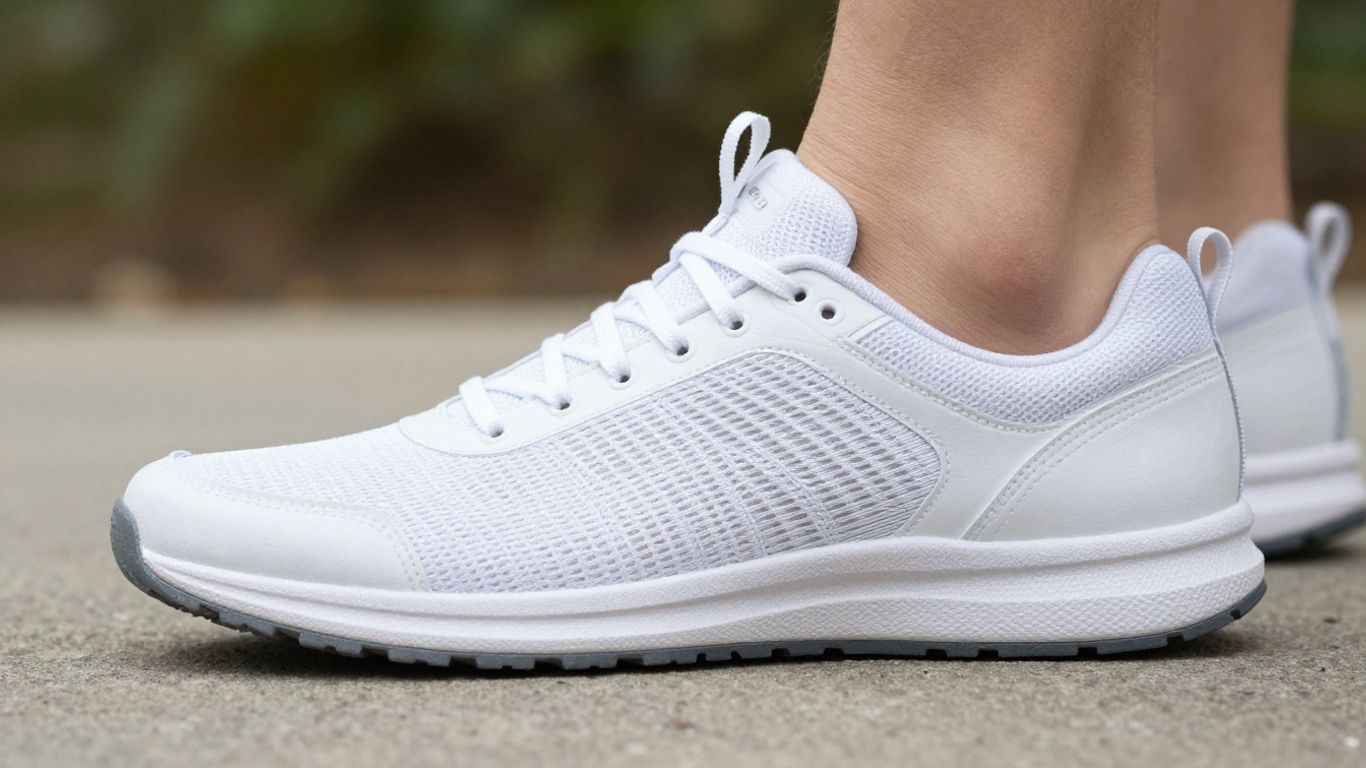
When you need a walking shoe that feels supportive right out of the box, the Vionic Walker Classic is a solid choice. Vionic is known for its built-in orthotic footbeds that really focus on arch support, which is super important for managing foot pain and keeping your feet aligned. For a lot of people, this built-in structure means less fuss and more comfort from day one, especially on hard floors. These shoes are designed to feel like a custom orthotic from the start.
Podiatrists often point to a few key things with the Walker Classic:
- Built-in Orthotic Footbed: Vionic’s insole is designed with arch support in mind, often recommended for folks who need help with alignment and absorbing shock.
- Supportive Platform: It focuses on a stable heel and midfoot to keep excess motion in check, something foot specialists look for when people are dealing with pain.
- Everyday Durability: These are practical for daily walks, running errands, and even long shifts if you’re on your feet a lot.
- Alignment Benefits: The arch support can help reduce strain that comes with issues like plantar fasciitis or flat feet.
The Vionic Walker Classic really shines because it combines that podiatrist-backed support with a design that’s easy to wear every day. It’s not trying to be a super soft, squishy shoe, but rather one that guides your foot into a more natural and supported position. This can make a big difference for people dealing with the discomfort of peripheral neuropathy, helping to stabilize your stride and reduce fatigue.
These shoes are a good pick if you have flat feet or overpronation and benefit from guided alignment, or if you experience heel pain and need structured arch support. They’re also great for all-day wear on hard surfaces. If you’re looking for support without having to swap out insoles, the Walker Classic is a convenient option. You can find these at many orthopedic and footwear retailers, and for a truly personalized fit, consider getting evaluated at a place that specializes in foot health.
Wrapping Up Your Search for Comfort
So, finding the right walking shoes when you’ve got neuropathy isn’t just about picking something that looks good. It’s really about making sure your feet are taken care of with every single step. We’ve gone over some great options here, from shoes with tons of cushioning to ones that offer serious stability. Remember to pay attention to things like a roomy toe box and good support. Don’t forget to check in with your doctor if things don’t feel right, and keep an eye on your feet daily. Taking these steps can make a big difference in staying comfortable and active.
Frequently Asked Questions
What makes a walking shoe good for peripheral neuropathy?
Shoes for numb or sensitive feet are designed to spread out pressure evenly, cushion each step, and avoid rubbing that can cause sores. They often have soft interiors, wide toe boxes, and good support to keep your feet safe and comfortable while walking.
Why is cushioning so important for neuropathy?
When you have neuropathy, your feet might feel numb or tingly. Lots of soft cushioning helps absorb shock from walking, which means less pressure on your feet. This can help prevent pain and protect your feet from injuries you might not feel right away.
Can I wear my custom orthotics with these shoes?
Many of these shoes come with removable insoles. This means you can take out the shoe’s own padding and put in your custom orthotics if you use them. Always check if the shoe has enough room for your orthotics to fit comfortably.
How often should I replace my walking shoes for neuropathy?
It’s a good idea to get new walking shoes every 300 to 500 miles, or about every 6 months to a year depending on how much you walk. Worn-out shoes lose their cushioning and support, which can make your foot problems worse.
Do I need to see a doctor before buying shoes for neuropathy?
While these shoes can help a lot, it’s always best to talk to a foot doctor (podiatrist) or a shoe specialist. They can measure your feet properly and help you find the best type of shoe and fit for your specific needs, especially if you have foot deformities or swelling.
What’s a ‘rocker sole’ and why is it helpful?
A rocker sole is shaped like a rocking chair, curving upwards at the front and back. This design helps your foot roll smoothly from heel to toe when you walk. It reduces the pressure on the ball of your foot and makes walking feel easier, which is great for feet with neuropathy.