
Dealing with a bulging disc can really throw a wrench in your day-to-day life. It’s one of those things that sounds simple enough, but when it starts causing pain or discomfort, it’s anything but. You might be wondering what exactly is going on in your back or neck, and more importantly, how to fix a bulging disc so you can get back to normal. We’ll break down what a bulging disc is, why it happens, what it feels like, and most importantly, what you can do about it.
Key Takeaways
- A bulging disc happens when the soft center of a spinal disc pushes out beyond its outer layer, often without breaking through.
- Common causes include aging, injuries, and repetitive strain on the spine.
- Symptoms can range from localized pain to numbness, tingling, and weakness, depending on where the disc is pressing on nerves.
- Diagnosis usually involves a physical exam and imaging like an MRI or CT scan.
- Treatment options vary, from conservative methods like physical therapy and medication to minimally invasive procedures and, in some cases, surgery, to address how to fix a bulging disc.
Understanding What a Bulging Disc Is
Defining a Bulging Disc
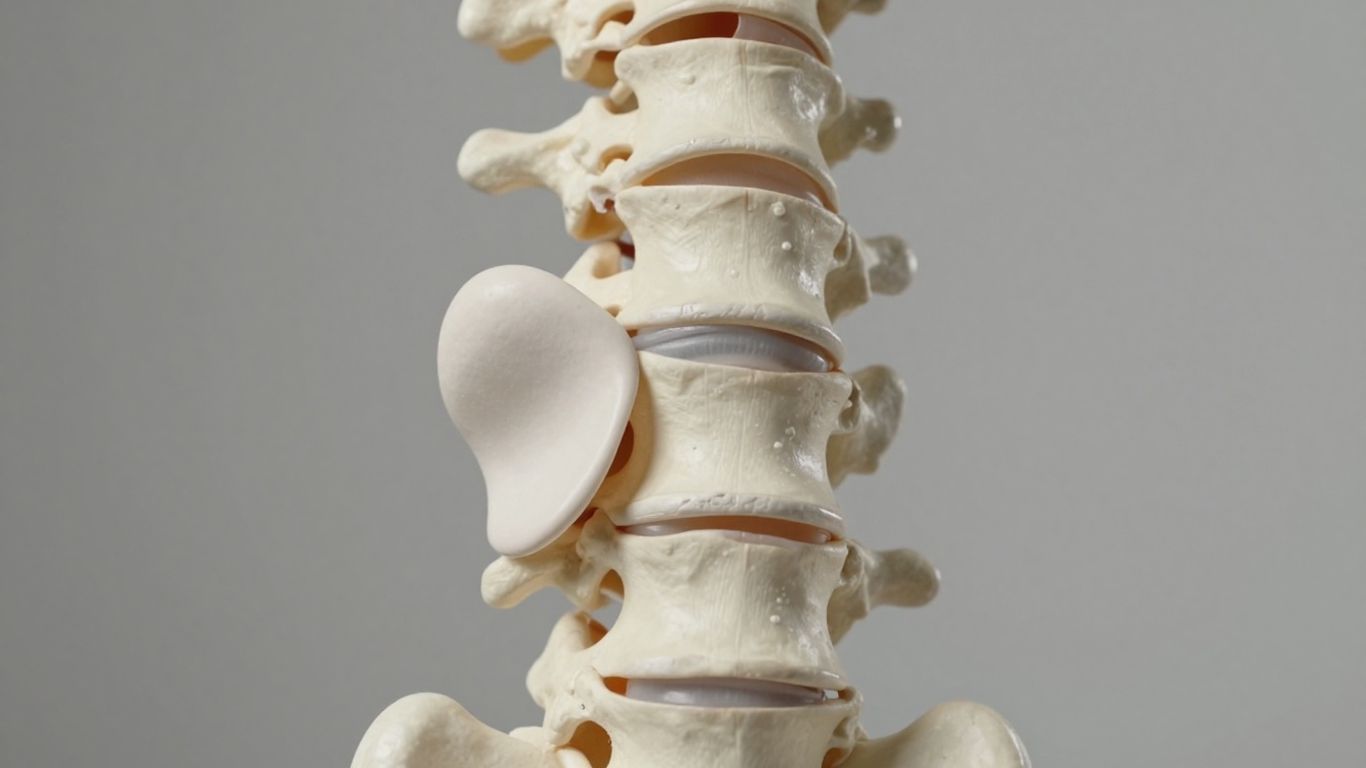
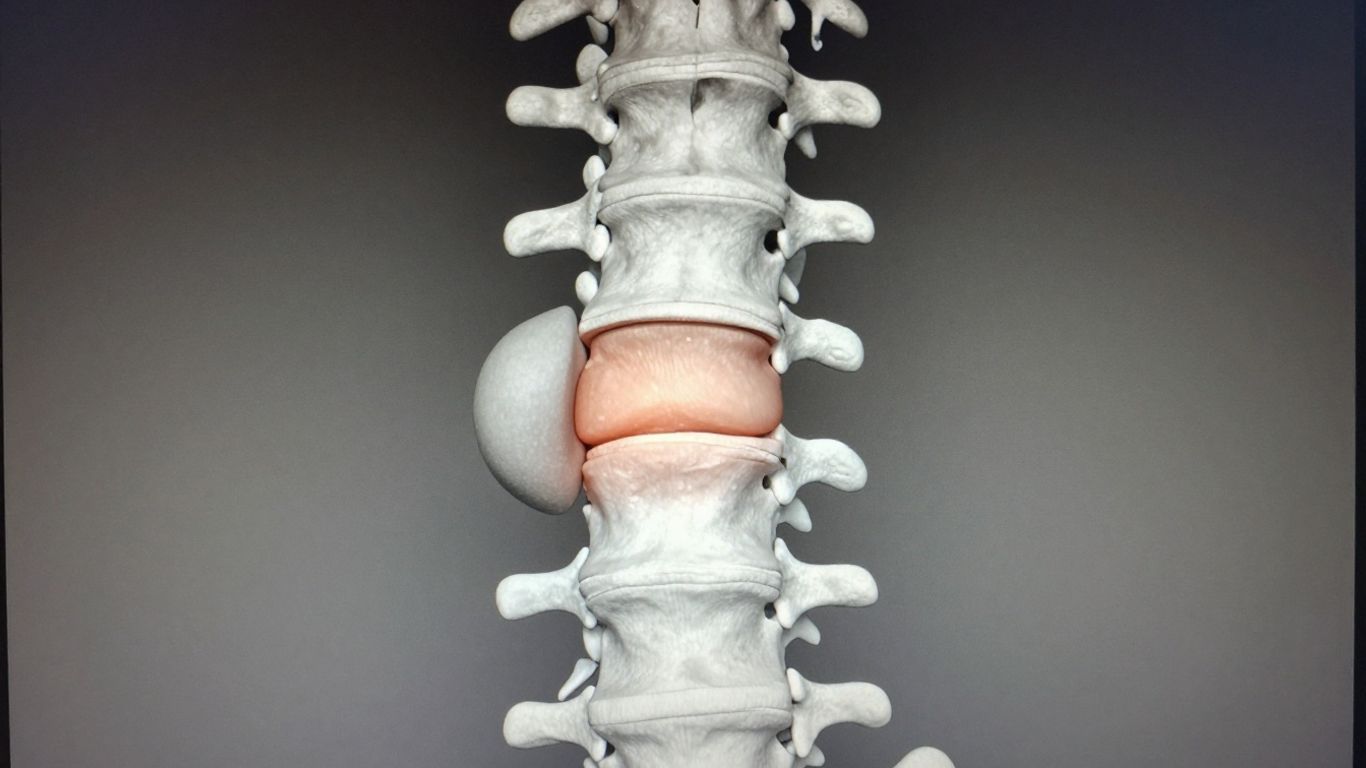
So, what exactly is a bulging disc? Think of your spine like a stack of building blocks, with soft, cushiony discs in between each block (those are your vertebrae). These discs are like little shock absorbers, made of a tough outer layer and a gel-like center. When one of these discs starts to push out beyond its normal space, that’s what we call a bulging disc. It’s like a tire that’s a bit overinflated and starting to bulge out the sides, but it hasn’t actually popped yet. This protrusion can happen gradually over time or sometimes due to a sudden event. It’s a pretty common thing, especially as we get older, and it doesn’t always cause problems. Sometimes, the bulge is small and doesn’t bother anything. But if it presses on nearby nerves, that’s when you might start feeling discomfort.
Location of Bulging Discs
Bulging discs can pop up anywhere along your spine, but they tend to show up in a couple of key areas. The most common spots are:
- Lumbar Spine: This is your lower back, the part that takes a lot of the daily wear and tear. A bulging disc here can lead to pain that shoots down your legs, sometimes called sciatica. It’s a real pain in the backside, literally.
- Cervical Spine: This is your neck area. If a disc bulges here, you might feel pain in your neck that travels up into your head or down into your arms and hands. It can make simple things like turning your head feel awful.
Less commonly, you might find them in the thoracic spine (mid-back), but it’s much rarer. The location really matters because it tells you which nerves might be getting squeezed, and that helps figure out what kind of symptoms you’ll experience. It’s important to know that a bulging disc is different from a herniated disc, where the outer layer actually tears.
The discs in your spine are vital for movement and cushioning. When they start to bulge, it’s a sign that they’re under stress or beginning to wear down. While not always painful, a bulging disc can significantly impact your quality of life if it irritates a nerve. Understanding where it is and why it’s happening is the first step to feeling better.
Identifying the Causes of Bulging Discs
So, what actually makes a spinal disc decide to bulge out? It’s not usually just one thing, but a mix of factors that can put stress on your spine over time. Think of your spinal discs like little jelly donuts – they have a tougher outer layer and a soft, gel-like center. When that outer layer gets weak or damaged, the "jelly" inside can push outwards.
Age-Related Disc Degeneration
This is probably the most common reason. As we get older, our discs naturally lose water content and become less flexible. They flatten out a bit and become less able to handle the daily grind. It’s like an old tire that’s lost its bounce and is more likely to get a bulge. This gradual wear and tear means that over the years, the discs become more prone to bulging, even with normal activities. It’s a natural part of aging, but it doesn’t mean you’re doomed to pain.
Impact of Trauma and Injury
Sometimes, a sudden event can trigger a bulging disc. This could be anything from a car accident or a fall to lifting something way too heavy, especially if you do it with bad form. That sudden jolt or strain can push the disc out of place. Even a seemingly minor injury, if it stresses the spine in a particular way, can contribute to disc problems down the line. It’s a bit like dropping that jelly donut – the impact can make the filling squish out.
Effects of Repetitive Strain
This is where those everyday activities can sneak up on you. If you do the same movements over and over, like certain jobs that involve heavy lifting or even prolonged sitting with poor posture, you’re putting consistent stress on your spine. This repetitive strain can weaken the discs over time, making them more susceptible to bulging. It’s not one big event, but a slow accumulation of stress. Poor posture and obesity are among the main factors that can contribute to bulging discs in the neck due to increased stress on the spine. [eea2]
Genetic Predispositions
Believe it or not, sometimes your genes play a role. If your family members have a history of spinal issues or disc problems, you might be more likely to develop a bulging disc yourself. It doesn’t guarantee you’ll have issues, but it means you might need to be a bit more mindful of your spinal health. It’s like having a family tendency towards something – you’re just a bit more predisposed.
It’s important to remember that not everyone with a bulging disc experiences pain. Sometimes, the bulge is minor and doesn’t press on any nerves. However, when it does cause symptoms, they can range from localized pain to radiating sensations, numbness, or weakness, depending on which nerve is affected and where the disc is located in your spine. [fa5f]
Here’s a quick rundown of common contributing factors:
- Aging: Natural wear and tear on discs.
- Sudden Injury: Accidents, falls, or improper heavy lifting.
- Repeated Stress: Jobs or activities involving constant spinal strain.
- Genetics: Family history of spinal conditions.
- Lifestyle: Factors like obesity and poor posture can add extra pressure.
Recognizing Symptoms of a Bulging Disc
So, you think you might have a bulging disc? It’s not always a dramatic event, sometimes it creeps up on you. The symptoms can really vary, depending on where the disc is acting up and how much it’s bothering things. But there are some common signs to watch out for.
Pain and Radiating Sensations
This is often the big one. You might feel a dull ache right in your back or neck, wherever the problem disc is located. But it doesn’t always stay put. Sometimes, that pain likes to travel. If it’s in your lower back, you might feel it shooting down into your buttocks, legs, or even your feet. This is often called sciatica. If the bulging disc is in your neck, the pain can spread into your shoulders, arms, and all the way down to your fingers. It can feel like a sharp, burning sensation, or sometimes just a persistent ache. The intensity of the pain can change, sometimes getting worse when you cough, sneeze, or move in certain ways.
Numbness, Tingling, and Weakness
Besides pain, you might notice some weird sensations. Numbness or a ‘pins and needles’ feeling can occur in the areas where the nerve is being pressed. It’s like your limb is falling asleep, but it doesn’t quite wake up. This can also come with muscle weakness. You might find it harder to lift things, grip objects, or even just walk steadily. It’s your body’s way of telling you that a nerve isn’t getting the clear signal it needs.
Mobility Limitations
When you’re dealing with a bulging disc, moving around can become a real challenge. Stiffness is common, making it tough to bend, twist, or even stand up straight. You might find yourself favoring one side or adopting a posture that seems to ease the discomfort. Simple daily tasks, like getting out of a chair or turning your head, can become surprisingly difficult. It’s not just about the pain; it’s about your body’s ability to move freely being restricted.
It’s important to remember that not everyone with a bulging disc experiences symptoms. Sometimes, the disc might be protruding slightly without actually pressing on any nerves. In these cases, you might not feel anything at all, and the issue could be discovered incidentally during imaging for another reason. The symptoms usually start to show up when the disc material begins to irritate or compress nearby nerves.
Here’s a quick rundown of what to look out for:
- Neck Bulge:
- Pain and stiffness in the neck
- Radiating pain down the arm to the fingers
- Numbness or tingling in the arms
- Muscle weakness in the arms or hands
- Lower Back Bulge:
- Low back pain
- Pain radiating down the leg (sciatica)
- Numbness or tingling in the legs or feet
- Difficulty walking or standing for long periods
If you’re experiencing these kinds of issues, it’s a good idea to get it checked out by a doctor. They can help figure out exactly what’s going on and how to get you feeling better. You can learn more about conditions like a herniated disc which can sometimes develop from a bulging disc.
Diagnosing a Bulging Disc
So, you’re experiencing some weird back or neck pain, and you’re wondering what’s going on. A bulging disc might be the culprit. Figuring out if that’s the case usually involves a few steps. Doctors don’t just guess; they have a process to get to the bottom of it.
Medical History and Physical Examination
First off, your doctor will want to hear your story. They’ll ask about your symptoms – when they started, what makes them better or worse, and if the pain shoots anywhere else, like down your leg or into your arm. They’ll also want to know about any past injuries or activities that might have put stress on your spine. This part is super important because it gives them clues about what might be happening.
Then comes the physical part. The doctor will likely check your reflexes, muscle strength, and how well you can move. They might ask you to do certain movements to see if they trigger your pain or limit your motion. This hands-on assessment helps them pinpoint the area of concern and rule out other issues.
It’s important to be honest and detailed when describing your symptoms. The more information your doctor has, the better they can understand what’s going on with your spine.
Imaging Techniques for Diagnosis
Sometimes, just talking and a physical check aren’t enough to see exactly what’s happening inside. That’s where imaging comes in. These tests give doctors a clear picture of your spine.
- X-rays: While X-rays don’t show soft tissues like discs very well, they can help rule out other problems like fractures or significant arthritis that might be causing your pain.
- MRI (Magnetic Resonance Imaging): This is usually the go-to test for diagnosing bulging discs. An MRI uses magnets and radio waves to create detailed images of your spine, including the discs, nerves, and surrounding tissues. It’s really good at showing the size and location of a bulge and whether it’s pressing on a nerve. Getting an accurate diagnosis is key to finding the right treatment path.
- CT (Computed Tomography) Scan: A CT scan uses X-rays to create cross-sectional images of your spine. It can be helpful if an MRI isn’t possible or if more detail about the bone structure is needed. Sometimes, a CT myelogram, where dye is injected into the spinal canal before the scan, can provide even clearer images of nerve compression.
Here’s a quick look at what these tests can show:
| Test Type | What it Shows |
|---|---|
| X-ray | Bone structure, fractures, alignment |
| MRI | Soft tissues (discs, nerves), extent of bulge |
| CT Scan | Bone detail, cross-sectional views |
Once the doctor has all this information – your history, the physical exam findings, and the imaging results – they can make a solid diagnosis and start talking about how to fix it. This whole process helps ensure you get the right care for your specific situation needs.
Exploring Treatment Options: How to Fix a Bulging Disc
So, you’ve got a bulging disc. It sounds serious, and it can be, but the good news is there are several ways to tackle it. The best treatment for a bulging disc typically starts with conservative, non-surgical approaches. These methods are generally effective in managing the condition. It’s not always about jumping straight to surgery; often, simpler methods can make a big difference.
Conservative Treatment Approaches
Most of the time, a bulging disc can be managed without surgery. The goal here is to reduce pain and inflammation and get your spine back in shape. Think of it as giving your back the support and care it needs to heal.
- Rest and Activity Modification: This doesn’t mean lying in bed for weeks. It’s more about taking a break from activities that really aggravate your pain, like heavy lifting or certain sports, and then gradually getting back to them.
- Physical Therapy: This is a big one. A physical therapist can show you specific exercises to strengthen the muscles supporting your spine, improve flexibility, and help you move better. They’ll tailor a program just for you.
- Medications: Over-the-counter pain relievers like ibuprofen or naproxen can help with pain and swelling. Sometimes, doctors might prescribe stronger medications or muscle relaxants if needed. For nerve-related symptoms, specific medications might be used to manage that discomfort. Pain relievers and neuropathic drugs can be quite helpful.
It’s important to remember that healing takes time. Be patient with your body and stick to the plan your doctor or physical therapist gives you. Pushing too hard too soon can set you back.
Minimally Invasive Procedures
If conservative treatments aren’t cutting it, or if your pain is particularly severe, there are less invasive options available. These procedures aim to target the inflammation and pain directly without major surgery.
- Epidural Steroid Injections: These injections deliver anti-inflammatory medication directly to the area around the affected nerve root. They can provide significant pain relief, though it’s often temporary.
- Nerve Blocks: Similar to injections, these can help pinpoint and block pain signals from specific nerves that are causing you trouble.
Surgical Interventions
Surgery is usually the last resort, reserved for cases where other treatments haven’t worked or when there’s significant nerve compression causing serious issues, like loss of bowel or bladder control. The goal of surgery is to relieve pressure on the nerves.
- Discectomy: This procedure involves removing the part of the disc that’s pressing on a nerve. It can often be done with minimally invasive techniques.
- Spinal Fusion: In some cases, to stabilize the spine, surgeons might fuse two or more vertebrae together.
- Artificial Disc Replacement: This is a more advanced option where the damaged disc is replaced with an artificial one.
While the idea of surgery can be daunting, it’s important to discuss all your options with a spine specialist. They can help you understand the risks and benefits to make the best choice for your situation. Remember, the aim is to get you back to feeling like yourself again.
Preventing Future Bulging Discs
So, you’ve learned about what a bulging disc is, what causes it, and how it’s treated. That’s great! But what about stopping it from happening again, or even preventing it in the first place? It turns out, taking care of your spine isn’t just about fixing problems; it’s also about building resilience. Making smart choices now can save you a lot of pain later.
Importance of Regular Exercise
Regular physical activity is a big deal when it comes to keeping your spine healthy. It’s not about becoming a marathon runner overnight, but more about consistent movement that supports your back. Think of it as building a strong foundation for your spine.
- Core Strength: Exercises that target your abdominal and back muscles are key. A strong core acts like a natural brace for your spine, helping to absorb shock and reduce strain on the discs. Planks, bird-dogs, and gentle crunches can be really effective.
- Flexibility: Keeping your muscles and ligaments limber helps prevent stiffness and allows for a greater range of motion. Stretching, especially for your hamstrings and hip flexors, can make a difference.
- Low-Impact Aerobics: Activities like walking, swimming, or cycling are fantastic because they get your body moving without putting excessive stress on your spine. These types of exercises can help manage weight too, which is another plus for spinal health. You can find more information on beneficial exercises for spinal health here.
Maintaining Good Posture
How you sit, stand, and move throughout the day really matters. Poor posture puts uneven pressure on your spinal discs, which over time, can contribute to degeneration and bulging.
- Sitting: When you’re at a desk, try to keep your feet flat on the floor, your back supported, and your shoulders relaxed. Avoid slouching. If you sit for long periods, take breaks to stand up and move around.
- Standing: Stand tall with your shoulders back and your weight evenly distributed. Imagine a string pulling you up from the crown of your head.
- Lifting: This is a big one. Always bend your knees and hips, keeping your back straight, and lift with your legs, not your back. If an object is too heavy, get help.
Good posture isn’t just about looking confident; it’s a practical way to reduce wear and tear on your spinal discs. It’s a habit that takes conscious effort to build, but the long-term benefits for your back health are significant.
Lifestyle Choices for Spinal Health
Beyond exercise and posture, a few other lifestyle habits can significantly impact your spinal health and help prevent bulging discs.
- Weight Management: Carrying extra weight, especially around your midsection, puts added stress on your lower back. Maintaining a healthy weight reduces this pressure.
- Hydration: Believe it or not, the discs in your spine are made up mostly of water. Staying well-hydrated helps keep them plump and resilient. Aim for plenty of water throughout the day.
- Smoking Cessation: If you smoke, quitting can have a positive impact on your disc health. Smoking can reduce blood flow to the discs, hindering their ability to repair and stay healthy.
- Listen to Your Body: Don’t push through pain. If an activity causes discomfort, it’s a sign to back off or modify how you’re doing it. Early attention to warning signs can prevent minor issues from becoming major ones. Gentle activities like walking and swimming can be great for overall spinal wellness.
Conclusion
Dealing with a bulging disc can be frustrating, especially when pain or numbness gets in the way of your daily routine. The good news is, most people find relief with simple steps like rest, physical therapy, and some changes to their habits. Surgery is rarely needed, but it’s there if nothing else helps. The most important thing is not to ignore ongoing pain—see a doctor if things aren’t getting better after a few weeks. Taking care of your back with regular exercise, good posture, and smart lifting can go a long way in keeping your spine healthy. Everyone’s situation is a little different, so don’t be afraid to ask questions and find the treatment plan that works best for you. Your back will thank you for it.
Frequently Asked Questions
What is the difference between a bulging disc and a herniated disc?
A bulging disc happens when the disc in your spine sticks out past its normal space, but the outer layer stays together. A herniated disc, also called a slipped or ruptured disc, is when the soft inside leaks out through a tear in the outer layer. Both can cause pain, but a herniated disc usually causes more severe symptoms.
Can a bulging disc heal on its own?
Many times, a bulging disc can get better without surgery. Rest, gentle exercise, and physical therapy often help. Most people feel better in a few weeks to a few months. If pain continues or gets worse, you should talk to a doctor.
What are the main signs of a bulging disc?
Common symptoms include back or neck pain, numbness, tingling, or weakness in your arms or legs, and trouble moving. Sometimes, you may feel pain that spreads down your arm or leg. Some people may not feel any symptoms at all.
What causes a bulging disc to happen?
Bulging discs are often caused by getting older, which makes the discs weaker and less flexible. Other causes include injuries, lifting heavy things the wrong way, doing the same motion over and over, or having family members with similar spine problems.
How can I prevent getting a bulging disc?
To help prevent a bulging disc, exercise regularly to keep your back strong, use good posture, lift objects safely, and try to stay at a healthy weight. Avoid smoking, as it can make your discs wear out faster. Taking care of your spine every day can lower your risk.
When should I see a doctor about back pain?
See a doctor if your pain doesn’t get better after a few weeks, if it stops you from doing daily activities, or if you have numbness, weakness, or trouble controlling your bladder or bowels. These could be signs of a serious problem that needs quick treatment.