
Ever feel like your fingers and toes are acting up, maybe getting cold or tingly? It can be confusing when these symptoms pop up, especially when you’re not sure what’s causing them. Two conditions that sometimes get mixed up are peripheral neuropathy and Raynaud’s. While they both can affect your extremities, they’re actually quite different. Let’s break down what peripheral neuropathy vs Raynaud’s really means, so you can get a clearer picture.
Key Takeaways
-
Peripheral neuropathy involves nerve damage, often causing numbness, tingling, or pain, and can affect various parts of the body.
-
Raynaud’s phenomenon is a circulatory issue where blood vessels in the extremities, like fingers and toes, narrow in response to cold or stress, causing color changes.
-
The primary difference between peripheral neuropathy vs Raynaud’s lies in the affected system: nerves versus blood vessels.
-
Raynaud’s can be primary (no known cause) or secondary, often linked to other health conditions like autoimmune diseases.
-
While both can cause discomfort in the extremities, understanding the specific symptoms and triggers is key to proper diagnosis and management.
Understanding Peripheral Neuropathy vs Raynaud’s
Defining Peripheral Neuropathy
Peripheral neuropathy is a bit of a mouthful, but it basically means there’s some kind of damage to the nerves that are outside of your brain and spinal cord. These are the nerves that carry messages between your central nervous system and the rest of your body, like your arms, legs, hands, and feet. When these nerves get messed up, it can cause a whole host of problems. Think of it like a faulty wire in a lamp – the signal just isn’t getting through properly, or it’s sending the wrong signal altogether. This can lead to sensations like numbness, tingling, burning, or even sharp pains. Sometimes, it can also affect muscle strength and coordination.
Defining Raynaud’s Phenomenon
Raynaud’s phenomenon, on the other hand, is all about blood flow. It’s a condition where the small arteries in your extremities, usually your fingers and toes, suddenly narrow. This narrowing, called vasospasm, happens in response to cold temperatures or emotional stress. When this happens, blood flow to those areas is temporarily reduced. The most noticeable sign is a change in skin color, often going from pale to blue, and then sometimes red as blood flow returns. You might also feel numbness and tingling during an attack. It’s like a temporary traffic jam for your blood in those tiny vessels.
Key Distinctions Between the Conditions
So, what’s the big difference? Well, peripheral neuropathy is about nerve function, while Raynaud’s is about blood vessel function. Neuropathy can affect sensation and movement, and it’s often caused by underlying health issues like diabetes or autoimmune diseases. Raynaud’s, however, is primarily a circulatory issue triggered by external factors like cold. While both can cause numbness and tingling in the hands and feet, the underlying cause and the specific symptoms can be quite different. For instance, Raynaud’s attacks are usually episodic and linked to specific triggers, whereas neuropathy symptoms can be more constant or progressive.
Here’s a quick rundown:
-
Peripheral Neuropathy: Affects nerve signals, can cause numbness, tingling, pain, weakness. Often linked to diabetes, infections, or autoimmune issues.
-
Raynaud’s Phenomenon: Affects blood vessels, causes color changes (white, blue, red) in fingers/toes due to cold/stress. It’s a circulatory response.
It’s important to remember that sometimes these conditions can overlap or one can be a symptom of the other. For example, some autoimmune diseases can cause both nerve damage and Raynaud’s. That’s why getting a proper diagnosis is so important.
Diagnosing these conditions often involves a mix of understanding your medical history and specific tests. For neuropathy, doctors might look at nerve conduction studies or electromyography. For Raynaud’s, the diagnosis is often based on your description of symptoms and a physical exam, especially observing color changes in fingers or toes during or after exposure to cold.
Causes and Triggers
Underlying Factors for Peripheral Neuropathy
Peripheral neuropathy isn’t just one thing; it’s a whole group of conditions that affect the nerves outside your brain and spinal cord. Think of them as the communication lines to your arms, legs, and other body parts. When these lines get damaged, signals get mixed up or stop altogether. A really common culprit is diabetes. High blood sugar over time can really mess with both your nerves and blood vessels. It’s like a slow drip of damage that can lead to that tingling or numbness you might feel. Other things can cause it too, like certain vitamin deficiencies, infections, or even injuries. Sometimes, it’s just bad luck and we don’t know exactly why it happens.
Triggers for Raynaud’s Attacks
Raynaud’s phenomenon is a bit different. It’s mostly about how your blood vessels react, especially to cold or stress. When you’re exposed to cold, or if you get really stressed out, the small arteries in your fingers and toes can suddenly narrow a lot. This is called vasospasm. It’s like turning off the tap for blood flow to those areas. This is why you see those color changes – white, then blue, then red as blood flow returns. It’s not usually a constant problem, but more like episodes or attacks. Emotional stress can be just as much of a trigger as a chilly day, which is interesting, right?
The Role of Autoimmune Diseases
Here’s where things can get a little more complicated. Sometimes, Raynaud’s isn’t just a standalone issue. It can be a sign that something else is going on, particularly autoimmune diseases. Conditions like lupus or scleroderma, where your body’s immune system mistakenly attacks its own tissues, can lead to what’s called secondary Raynaud’s. In these cases, the underlying autoimmune disease is causing the blood vessel issues. It’s like the autoimmune condition is directly contributing to the blood vessels’ overreaction to cold or stress. This is why doctors often look for other signs of autoimmune problems when diagnosing Raynaud’s, especially if it’s severe or appears later in life. It’s important to figure out if Raynaud’s is primary (happening on its own) or secondary to another condition, as the management can differ quite a bit. Understanding the root cause is key to managing Raynaud syndrome effectively.
Symptom Presentation
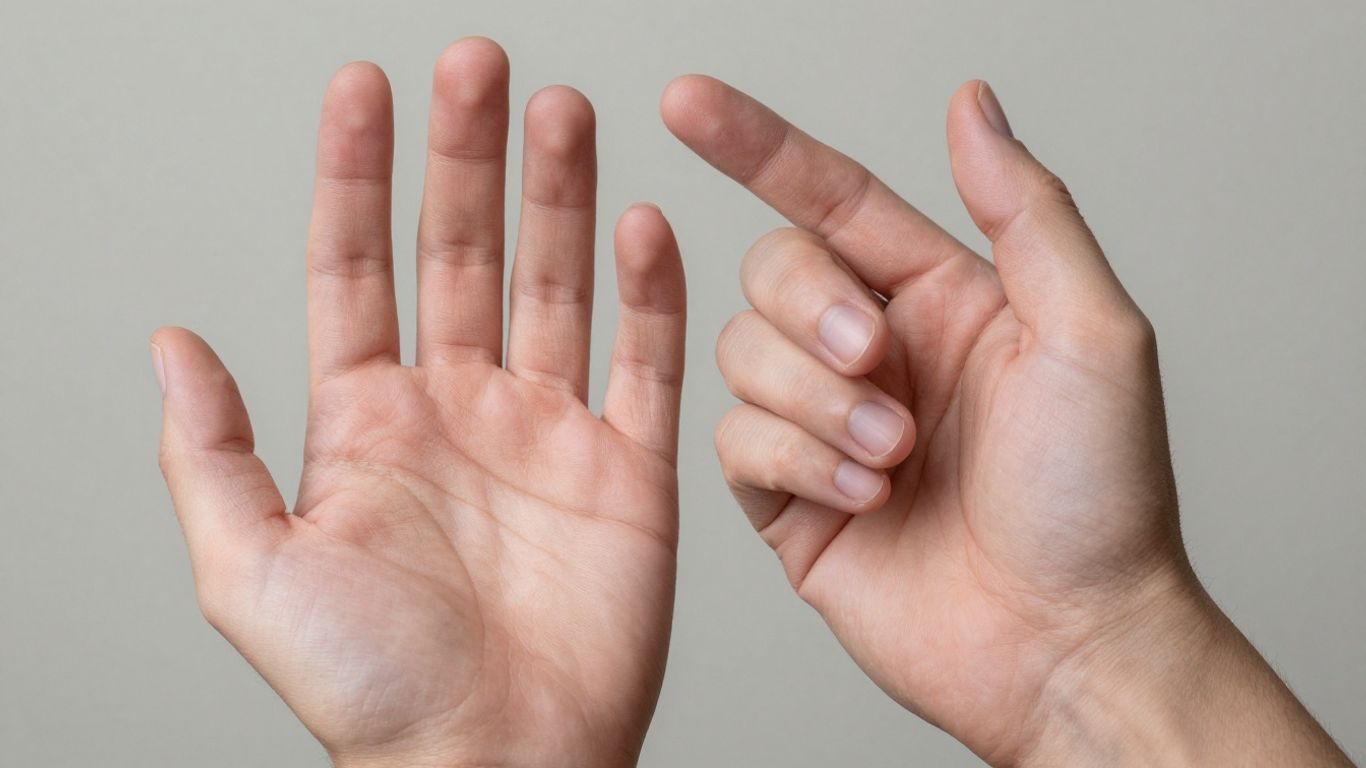
When we talk about peripheral neuropathy and Raynaud’s, the way symptoms show up can be pretty different, even though both can mess with your hands and feet. It’s like they’re speaking different languages when they tell you something’s wrong.
Sensory and Motor Symptoms of Neuropathy
Peripheral neuropathy is all about nerve damage, and it usually hits the nerves that control feeling and movement. You might notice a gradual loss of sensation, like your feet are wrapped in a thick sock you can’t take off. Sometimes, it feels like pins and needles, or even a burning sensation. It can also affect your muscles, leading to weakness or a loss of coordination. This nerve damage can make everyday tasks feel surprisingly difficult.
Color Changes in Raynaud’s Episodes
Raynaud’s, on the other hand, is primarily a circulation issue. When you experience an attack, your blood vessels in the extremities go into spasm, cutting off blood flow. This typically causes a distinct three-phase color change in the affected areas, most commonly fingers and toes. First, they turn white (pallor) as blood flow stops. Then, they might turn blue or purplish (cyanosis) because the blood is deoxygenated. Finally, as blood flow returns, the area turns red (erythema) and might feel tingly or painful. It’s a pretty dramatic visual cue that something’s up with your circulation.
Numbness and Tingling in Extremities
Both conditions can cause numbness and tingling, which can be confusing. With neuropathy, this is often a constant or persistent feeling, a sign that the nerves themselves are irritated or damaged. It’s like a background hum of weird sensations. For Raynaud’s, numbness and tingling usually happen during an attack, as part of that color-changing cycle. It’s more of an episodic symptom, tied directly to the blood vessel spasms. So, while both can feel similar, the timing and context are usually quite different. Experiencing persistent coldness, numbness, or even burning sensations in the feet can indicate nerve fiber issues [aa89].
Here’s a quick rundown of how symptoms often appear:
-
Peripheral Neuropathy:
-
Gradual onset of numbness, tingling, burning, or prickling sensations.
-
Muscle weakness or loss of coordination.
-
Increased sensitivity to touch or temperature.
-
Pain that can be sharp, shooting, or aching.
-
-
Raynaud’s Phenomenon:
-
Episodic color changes (white, blue, red) in fingers or toes.
-
Numbness or tingling during attacks.
-
Pain or throbbing as blood flow returns.
-
Often triggered by cold or stress.
-
It’s important to note that sometimes, Raynaud’s phenomenon can occur alongside other conditions, including nerve issues. A medical investigation might reveal findings suggestive of subclinical peripheral neuropathy in someone with Raynaud’s [b949]. This overlap is why getting a proper diagnosis is so important.
The key difference in symptom presentation often boils down to whether the primary issue is nerve function or blood vessel function. Neuropathy tends to be more about ongoing sensory and motor disturbances, while Raynaud’s is characterized by acute, episodic circulatory changes, particularly color shifts in the digits.
Impact on Extremities
Peripheral Neuropathy in Hands and Feet
Peripheral neuropathy really messes with how your hands and feet feel and work. It’s like the communication lines between your brain and your limbs get all tangled up. You might notice a pins-and-needles feeling, or maybe your hands and feet just feel numb, like they’re asleep. Sometimes, it can even feel like you’re walking on hot coals or getting little electric shocks. This can make simple things, like picking up a coin or even just walking, feel really difficult. The nerves that control feeling, movement, and even things like sweat glands can get damaged, leading to a whole host of problems.
-
Sensory changes: This is the most common. Think numbness, tingling, burning, or sharp pains. You might also lose your sense of touch or temperature.
-
Motor issues: Muscles can get weak, making it hard to grip things or walk steadily. You might even notice your feet or hands looking thinner over time.
-
Autonomic problems: Nerves controlling things like blood pressure, digestion, and sweating can be affected, leading to dizziness or dry skin.
Raynaud’s Affecting Fingers and Toes
Raynaud’s is a bit different. It’s all about blood flow, specifically how it reacts to cold or stress. When you’re exposed to cold, the small arteries in your fingers and toes clamp down, or go into spasm. This is called vasospasm. This sudden narrowing drastically cuts off blood flow to those areas.
Here’s what typically happens during an attack:
-
Color Change: First, the affected digits turn white because there’s no blood. Then, they often turn blue as the blood that’s there loses oxygen. Finally, as blood flow returns, they turn red, and this is often when you feel the throbbing or burning pain.
-
Temperature Sensation: The fingers and toes feel cold to the touch.
-
Numbness and Pain: During the color changes, you’ll likely feel numb. When the blood flow returns, it can be quite painful.
Distinguishing Symptoms in the Toes
While both conditions can affect your toes, the way they do it is quite distinct. With peripheral neuropathy, your toes might feel constantly numb, tingly, or have a burning sensation, regardless of the temperature. You might also have trouble feeling the ground when you walk or notice weakness in your toe muscles. It’s a more persistent, nerve-related issue. On the other hand, Raynaud’s in the toes is usually triggered by cold. Your toes will likely turn white, then blue, and then red, accompanied by numbness during the attack and pain as they warm up. It’s a temporary, circulation-based problem. Recognizing these differences is key to figuring out what’s going on with your feet. If you’re experiencing persistent numbness or tingling, it might be worth looking into potential nerve issues affecting the feet and toes.
It’s easy to get these symptoms mixed up, especially since both can cause discomfort in your hands and feet. But the underlying cause is what really sets them apart. Neuropathy is about damaged nerves, while Raynaud’s is about blood vessels reacting too strongly to certain triggers.
Diagnosis and Differentiation
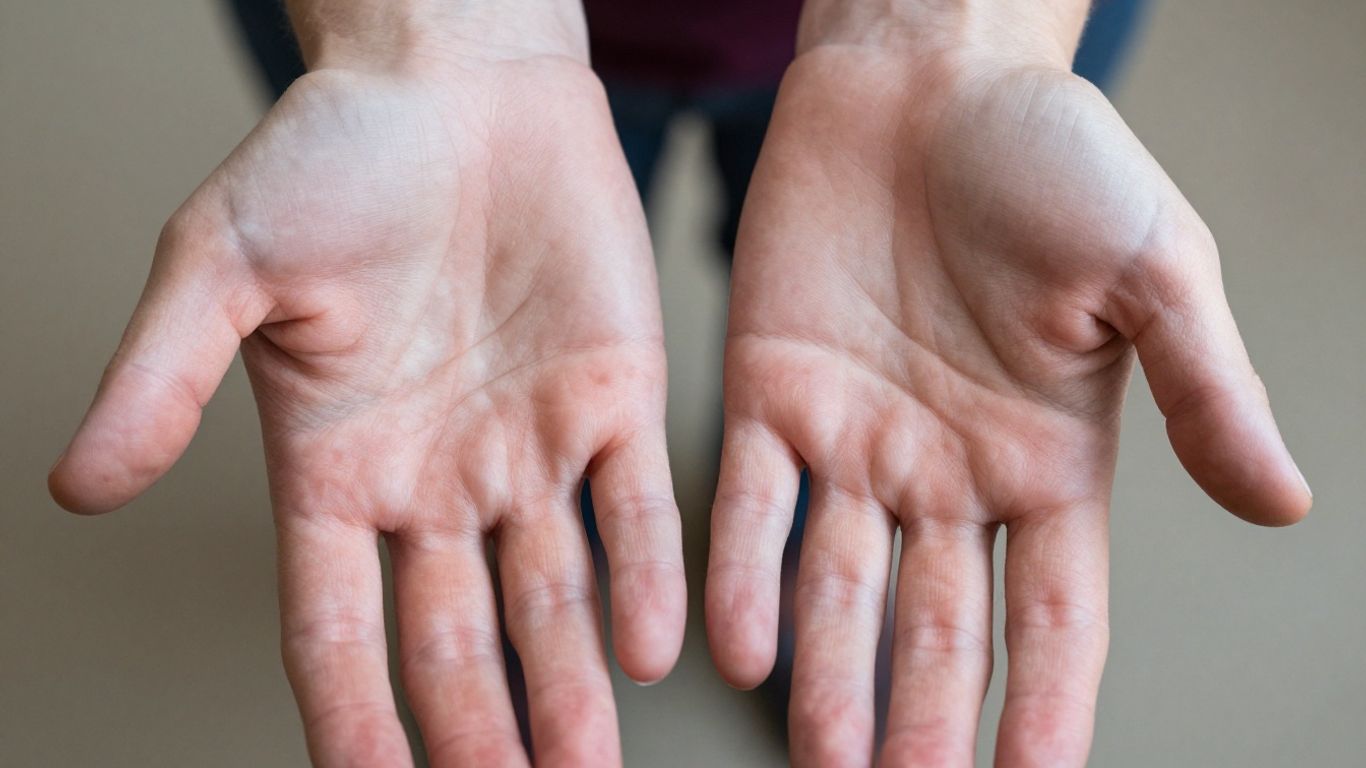
Diagnostic Approaches for Neuropathy
Figuring out if you have peripheral neuropathy isn’t always straightforward. Doctors usually start by asking about your symptoms and medical history. They’ll want to know about any numbness, tingling, or weakness you’re feeling, and when it started. A physical exam is next, where they’ll check your reflexes, muscle strength, and your ability to feel sensations like touch, temperature, and vibration. Sometimes, they might do nerve conduction studies (NCS) and electromyography (EMG). These tests measure how well your nerves are sending signals and how your muscles are responding. Think of NCS like checking the electrical wires and EMG as seeing how the appliances are working.
-
Medical History Review: Discussing past illnesses, medications, and family history.
-
Neurological Examination: Testing reflexes, muscle strength, and sensory perception.
-
Nerve Conduction Studies (NCS): Measuring the speed and strength of nerve signals.
-
Electromyography (EMG): Assessing muscle electrical activity.
Blood tests are also pretty common. They help rule out other conditions that can mimic neuropathy, like vitamin deficiencies (especially B12), thyroid problems, diabetes, or infections. In some cases, a nerve biopsy might be needed, but that’s usually reserved for more complex situations.
Clinical Evaluation for Raynaud’s
When it comes to Raynaud’s phenomenon, the diagnosis is largely based on what you tell your doctor and what they observe. The classic sign is those distinct color changes in your fingers or toes – usually white, then blue, and finally red as blood flow returns. The key is that these changes are typically triggered by cold temperatures or emotional stress. Your doctor will ask about your symptoms, how often they happen, and what brings them on. They’ll also do a physical exam, looking at your hands and feet for any signs of skin changes or damage.
-
Symptom Description: Detailed account of color changes, triggers (cold, stress), and affected areas.
-
Physical Examination: Visual inspection of digits for color changes, temperature, and skin integrity.
-
Cold Exposure Test (sometimes): Observing the reaction of digits to cold, though not always performed due to potential discomfort.
It’s important to distinguish between primary Raynaud’s (which occurs on its own) and secondary Raynaud’s (which is linked to another underlying condition). This distinction is vital because secondary Raynaud’s can sometimes indicate more serious health issues. Understanding these differences is crucial for accurate diagnosis and treatment.
Ruling Out Underlying Conditions
This is where things can get a bit more involved, especially when trying to figure out if Raynaud’s is primary or secondary, or if your symptoms are actually from neuropathy. Doctors need to be thorough to avoid misdiagnosis, which can delay effective treatment. For neuropathy, they’re looking for causes like diabetes, autoimmune diseases, infections, or even certain medications. For Raynaud’s, the focus shifts to identifying any associated conditions, most commonly autoimmune diseases like scleroderma or lupus. Tests might include blood work to check for specific antibodies (like ANA), inflammatory markers (like ESR), and imaging studies such as nail fold capillaroscopy to examine the tiny blood vessels in the nail beds. These steps help paint a clearer picture and ensure you get the right care. Misdiagnosis of conditions can really set back your health journey.
The process of differentiating between conditions with similar symptoms requires a careful, step-by-step approach. It involves gathering detailed patient history, performing thorough physical examinations, and utilizing specific diagnostic tests tailored to each potential condition. This methodical evaluation is key to accurate diagnosis and effective treatment planning.
Management and Treatment Strategies
When you’re dealing with either peripheral neuropathy or Raynaud’s, figuring out how to manage it is a big part of living with the condition. It’s not just about popping a pill; it often involves a mix of lifestyle tweaks and, sometimes, medication.
Lifestyle Adjustments for Neuropathy
For neuropathy, the focus is often on protecting the affected areas and managing the underlying cause. If diabetes is the culprit, keeping blood sugar levels in check is number one. For other types, it might mean avoiding repetitive motions that aggravate the nerves or ensuring you have good support for your feet.
-
Foot Care: Daily checks for cuts, blisters, or redness are super important, especially if you have loss of sensation. Keep your feet clean and dry, and wear well-fitting shoes.
-
Activity Modification: If certain activities make your symptoms worse, you might need to adjust how you do them or take more breaks.
-
Healthy Habits: Eating well, exercising regularly (as advised by your doctor), and not smoking can all help improve nerve health.
-
Chiropractic Care: Often times there can be a spinal compliction that can affect nerve function. Adjustments to posture and spinal alignment through chiropractic care may help alleviate pressure on nerves, potentially reducing symptoms associated with neuropathy. This can be particularly helpful for individuals experiencing nerve compression due to misalignments.
Managing Raynaud’s Attacks
Raynaud’s attacks are usually triggered by cold or stress, so avoiding those triggers is key. Keeping your whole body warm is more effective than just warming your hands or feet. This means dressing in layers, wearing gloves and warm socks, and using hand warmers when you’re out in the cold.
-
Stress Reduction: Techniques like deep breathing, meditation, or yoga can help manage stress, which is a common trigger.
-
Avoid Vasoconstrictors: Be mindful of medications like decongestants that can narrow blood vessels. Also, caffeine and nicotine can sometimes worsen symptoms.
-
Warmth: When an attack starts, get into a warm environment immediately. Soaking your hands or feet in warm (not hot) water can help restore blood flow.
Medications for Circulatory Issues
If lifestyle changes aren’t enough, doctors might prescribe medications. For neuropathy, these are often aimed at managing pain, like certain antidepressants or anti-seizure drugs, though they don’t fix the nerve damage itself. For Raynaud’s, the goal is to improve blood flow.
-
Calcium Channel Blockers (CCBs): These are often the first choice for Raynaud’s. They help relax blood vessels, making it easier for blood to flow. Extended-release versions are usually preferred.
-
Other Vasodilators: Depending on the severity and response to CCBs, other medications like topical nitrates, certain antidepressants (SSRIs), or even stronger drugs like prostaglandin analogs might be considered, especially if there are concerns about tissue damage.
-
Topical Treatments: Some people find relief with creams or ointments that can help improve circulation locally.
It’s really about finding the right combination of strategies that works for your specific situation. What helps one person might not be the best fit for another, so working closely with your healthcare provider is the way to go. Sometimes, even newer treatments like near-infrared therapy are explored for managing Raynaud’s symptoms.
Wrapping Things Up
So, we’ve talked about two conditions that can mess with your fingers and toes: peripheral neuropathy and Raynaud’s. They might seem similar because they both can cause weird feelings or color changes down there, especially when it gets cold. But remember, they’re actually pretty different. Peripheral neuropathy is more about nerve damage, leading to numbness, tingling, or pain that doesn’t always go away. Raynaud’s, on the other hand, is all about blood vessels spasming, causing those distinct color changes in response to cold or stress. Knowing the difference is key, really. It helps you figure out what’s going on and, more importantly, how to get the right help. Don’t just guess; if you’re experiencing these symptoms, it’s always best to chat with a doctor to get a proper diagnosis and a plan that works for you.
Frequently Asked Questions
What’s the main difference between Peripheral Neuropathy and Raynaud’s?
Peripheral neuropathy is when nerves get damaged, causing tingling, numbness, or weakness, usually in your hands and feet. Raynaud’s is when blood vessels in your fingers and toes get narrow, often because of cold or stress, making them turn white or blue and feel numb.
Can Raynaud’s happen in toes too, not just fingers?
Yes, absolutely! Raynaud’s can affect your toes just like your fingers. They might turn white or blue and feel cold or numb when you’re exposed to cold temperatures or feel stressed.
Is Raynaud’s disease something you inherit from your parents?
Sometimes. Raynaud’s disease can run in families, meaning it might be passed down from parents to children. However, it’s not always inherited.
What causes Peripheral Neuropathy?
Peripheral neuropathy can be caused by many things. Common causes include diabetes, spinal alignment, trauma, injuries, infections, and sometimes it’s just not clear why it happens.
How do doctors figure out if I have Raynaud’s or something else?
Doctors usually diagnose Raynaud’s by asking about your symptoms and looking at how your fingers or toes change color. They might also do tests to rule out other health problems that could be causing similar issues.
Can I do anything at home to help with Raynaud’s symptoms?
Yes! Keeping warm is super important. Wear warm gloves and socks, avoid getting too cold, and try to manage stress. Quitting smoking can also make a big difference because smoking narrows blood vessels.